ISA Certified Arborist helping trees maximize their natural vitality by reducing acute and chronic stress.
Boulder Tree Care specializes in beautiful, structurally sound tree trimming and tree removal in Boulder, CO. We uphold the highest standards of professionalism and excellence in all our work, helping property owners protect the health, safety, and appearance of their trees. Our experienced team accurately identifies tree health concerns, diagnoses underlying problems, and recommends practical solutions based on the needs of each tree and property.
★ ★ ★ ★ ★
“You were responsive, professional, a pleasure to have around, and, just in case anyone is wondering, you did a sensational job. The trees were a mess. It was a long, hazardous job, and each tree was pruned with care. Your rates were as attractive as the yard when you were done. I know we’ll need more work and you will always be my first choice.” ~ Nancy
Nancy / Client
TREE TRIMMING BOULDER
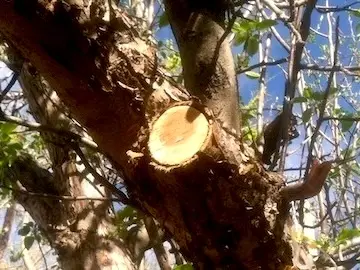
Proper tree trimming helps maintain tree health, reduce the risk of branch failure, and remove potential hazards. It can also improve clearance and visibility, allow more sunlight to reach the landscape, and support fruit or flower production. Careful pruning can also help young trees develop strong structure as they mature.
We combine the art and science of pruning to create trees that are both beautiful and structurally sound. Every cut is made intentionally, with the tree’s long-term health, natural growth pattern, and surroundings in mind.
Our goal is to improve the tree without taking away from its natural character. We carefully prune each tree to enhance its structure, appearance, and ability to thrive in the landscape. We also consider how each tree fits within the surrounding property.
PLANT HEALTH CARE
Healthy trees depend on more than water and sunlight. Soil conditions, root health, insects, diseases, weather, and surrounding construction can all affect how a tree grows and responds to stress.
We begin by looking at the entire growing environment, not just the visible symptoms. A plant health care assessment helps us identify possible causes of decline and develop practical goals for treatment or preservation.
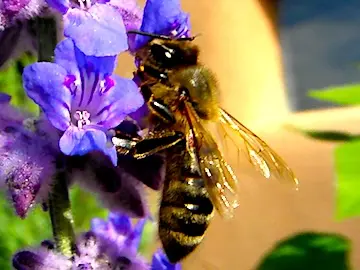
Many insects are harmless or beneficial. Our approach focuses on maintaining balance while addressing pests, diseases, and other conditions that may threaten the health of your trees. With proper care, stressed trees may recover and continue to thrive.
TREE REMOVAL BOULDER
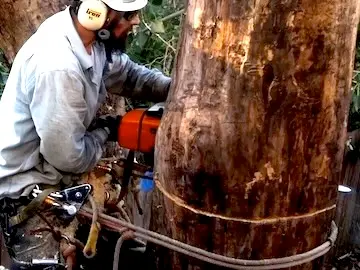
Protecting people and property is our highest priority. We provide safe, technical tree removal in Boulder, including the removal of trees in challenging locations.
We plan each removal carefully, using controlled rigging techniques to guide branches and sections of the trunk safely to the ground while protecting nearby structures. Whenever possible, we recommend preserving healthy, desirable trees.
However, removal may be the safest option when a tree is dead, unstable, severely damaged, or no longer suitable for its location. We carefully evaluate each tree and explain the available options before beginning work. Once the job is complete, we clean up thoroughly and leave your property in beautiful condition.
Preserving Healthy Trees. Removing Hazards.
We provide professional tree care in Boulder, from precise pruning to carefully planned removals. Every project is approached with attention to safety, tree health, and the protection of your property.
STUMP REMOVAL
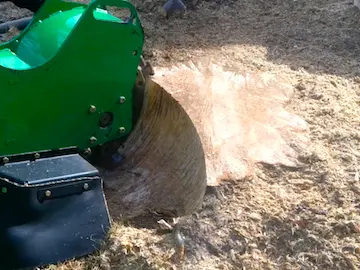
Do you have an old stump taking up space on your property? Maybe you need to fell a tree and want to include professional grinding services. Whatever the situation is, when it comes to removing them we can take care it. We remove all shapes and sizes of stumps. This is achieved by either pulling them up completely or we use our stump grinding machines to grind them down. Often, well below ground level.
PLANTING TREES
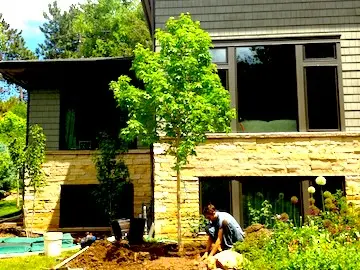
We select the healthiest trees that flourish here in Boulder, and transport them safely to your property. Then, provided a proper installation. Planting a tree isn’t just a simple as digging a hole and placing it in. Choosing a tree that grows nicely in a new location takes practice. Some species require soil conditions unlike others. Consequently, one tree might do very well and another may not grow or survive.
DIAGNOSIS
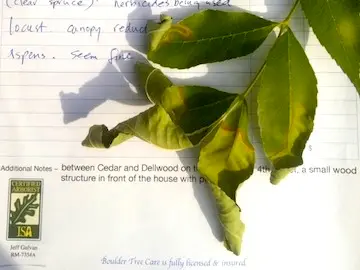
When a tree appears to be stressed, people want to know one thing… Is there anything we can do for our trees that are showing signs of decline? When we conduct a walkthrough for an evaluation we take time to notice the signs and symptoms a tree is experiencing. These are clues to what is happening. Therefore, giving us insights as to how to help your tree recover and eventually thrive.
SOIL SCIENCE
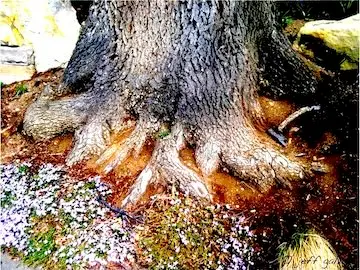
A healthy root environment is one of the major factors in a tree’s overall health. This is a combination of soil structure, pH levels, available minerals and nutrition. When one of these is imbalanced the tree may begin to show symptoms. For example, yellowing or underdeveloped leaves or perhaps an increase in insect pest. If this is not managed, the tree could begin to experience a spiral of decline. Once trees are in a state of stress it can be difficult to correct. It is important to make the right change at the most beneficial time.
PRESERVATION
In the early planning stages, before you begin a new construction project, please contact us! Trees are beautiful. That is why they are often a major consideration for purchasing land to build or remodel a home . However, during new building projects valuable trees often do not survive. The main reason is not implementing tree protection zones. Once the project begins it often doesn’t take long before the landscape changes or damage occurs when machinery contacts them.. Unfortunately, it is rare that this is to tree’s advantage.
FIRE MITIGATION
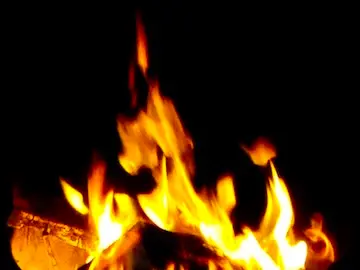
We have been helping landowners protect homes and property from wildfire risk for many years. This is accomplished by cultivating healthier landscapes. As a result, creating a more defensible boundary around houses and structures on your land. Beginning with a visit to evaluate your property and design a plan of action. Typically this involves removing any dead or overcrowded trees. Also, pruning trees with a significant amount of dead wood, branches too close to structures, and, clearing unnecessary organic fuel sources.
★ ★ ★ ★ ★
Jeff is the best, he’s performed tree work for us on several occasions.
He provides reliable, professional service at reasonable cost.
It is a pleasure doing business with Boulder Tree Care.
Paul / Client
We are a locally owned, operated, licensed, and insured tree care company serving Boulder, Colorado, and the surrounding communities.
Offering free visual tree assessments to evaluate patterns of abnormality and structural defects. We also analyze signs and symptoms that determine the possible risk trees appear to have. By accurately identifying their strengths and weaknesses we are able to offer consultation and solutions regarding health management strategies.
We do not share your contact information with anyone. It is solely for the purpose of contacting you about your trees.
★ ★ ★ ★ ★
Jeff did a fantastic job trimming our three large Ash trees. He was professional, polite and friendly and took plenty of time to talk to me about what I wanted and why, without ever being pushy. He worked for 7 hours straight, past dark(!), trimmed trees that were not even included in the estimate, did a great clean up, and all for a very reasonable price! The trees look wonderful. I would definitely recommend Jeff and Boulder Tree Care.
Patty / Client
FAQ’s – Frequently Asked Questions
What are your operating hours?
Our regular business hours are:
7am – 5:30 Monday – Friday
8:30-4:30 on Saturdays
There are exceptions for some national holidays and emergency tree services.
Do you provide estimates over the phone?
No, Due to the unforeseen variables that are often associated with tree work we are unable to provide estimates over the phone. However, we are available to visit your property and offer an estimate for any tree service request you may have.
Do you charge a fee to evaluate the trees on our property?
No. We offer free, no obligation estimates for your tree service request.
That being said, there are circumstances when we charge for consultations that are in-depth planning and design for larger jobs. These do not apply to most businesses and homeowners. They are special request that usually require hours of time and multiple visits to create a detailed plan of action.
Is your company insured?
Absolutely! We are a fully insured.
Are you a licensed tree contractor?
Yes. We are a licensed tree care and tree removal contractor for Boulder, Colorado.
Is there a certified arborist that can inspect and help answer questions about our trees?
Yes. An experienced ISA Certified Arborist is available to answer your questions about the trees on your property. All site evaluations, tree risk assessments, and tree health inspections are performed by a certified arborist with decades of practical field experience.
Why hire us?
Jeff Galvan began his career over 35 years ago. Nearly two decades after starting work in the trade, Mr. Galvan established Boulder Tree Care. He began studying for his exam with the International Society of Arboricultural in 2009. Soon after, earned the credentials of an ISA Certified Arborist. Jeff has personally planted and pruned thousands of trees throughout his career. As well as, removing hundreds of dead, damaged and diseased trees. To this day, he maintains a working relationship with every client from start to finish. Beginning with the initial contact and onsite evaluation to the conclusion of the tree work requested.

Are there advantages to hiring a certified arborist?
It depends. Certified arborist are required to study and learn the fundamental principles about trees in order to pass their exam. Therefore, they have a basic understanding of how trees benefit with proper care. That being the case, they are able to apply this knowledge in order to assist them.. Yet, this does not necessarily mean that everyone is equally skilled in each technique.
Sometimes, more importantly, is having many years of practical field experience. This is one of the major differences between arborist. After all, it is possible to become certified and never have climbed, removed nor pruned a tree, Likewise, some workers have years of removals and trimming experience yet are incapable of diagnosing signs and symptoms.
Want to learn more about your trees?
Educating our clients about their trees is something we enjoy doing. We teach people how to care for care for their trees in hopes of preventing unnecessary complications. Helping trees on your property to thrive is one of our missions. And, while we are here for you to visit and evaluate your trees, it doesn’t always require professional intervention to grow healthy trees.
How do trees grow?
Simple put, the cambium is responsible for what makes them grow in thickness and height. The cambium is influenced by temperature, altitude, moisture, nutrients and sunlight.
Firstly, the cambium builds new cork on the inner side of the bark. In effect, it fortifies the outer barrier that is vital for protection. Secondly, for growing the phloem. This is the a vascular tissue that transports sugars from the leaves towards the roots. Thirdly, it develops the xylem. The xylem tissues moves water and dissolved nutrients from the roots up throughout the crown. Additionally it helps protect the stems by forming the woody part of plants.
Their natural defense systems
When the thin layer of cambium is compromised the tree is at risk. The wounded area may become infected. Naturally, depending on the severity and location of damage it may impede new growth. It is essential for survival to seal wounds. Thus, preventing pathogens from entering into the vascular tissues. Age also plays an important role in the ability to recover. That is to say, younger trees are able to compartmentalize more quickly than older trees. Since they heal from wounds more rapidly there is less time it is exposed to bacteria and viruses. or other microorganism such as fungi. Insect pest and critters can also feed on sap wood or cause further damage. That being so, these factors may slow or bring to an end the healing process.
Maintaining trees in an urban environment
Trees are incredible, beautifully complex living organisms. When they are in an environment that supports their growth, they have the ability to adapt and overcome strenuous circumstances. However, once conditions are out of balance they become vulnerable to pests and diseases. As a result they may begin to show symptoms and signs of decline. The urban canopy has challenges unique to being in city landscapes.
It all begins with establishing young healthy trees
The early stages are critical for the longevity of newly planted trees. Ideally your landscape design and development starts with a mindful plan of action. Primarily, choosing a quality tree species suited for the area you would like to plant. Next, a proper installation with an effective irrigation system. Lastly, early structural pruning to create a balanced branch scaffolding. In affect, training young trees to become strong and beautiful. If this is something you would like help with we are happy to come by and share our thoughts and expertise. Ensuring the greatest success for your new trees to thrive for generations.
Managing established trees
Most property owners are managing trees that have been planted or volunteered themselves long ago. Often they were planted in less than desirable conditions. Maybe too close to each other or a structure. Perhaps, the wrong size tree,(when fully mature) for the location or maybe it’s a poor root zone environment for the species.
The main reasons we are contacted are:
1.) Trees have become unmanageable.
2.) They are in a spiral of decline.
3.) A tree has already died..
4.) Severe storm damage caused by high winds or snow.
Therefore, pruning trees and tree removals are our client’s most requested services. These conditions are sometimes preventable. Although, reading and interpreting the early warning signs can be challenging to the untrained eye. And, sometimes circumstances are completely unavoidable.
This is usually when homeowners need assistance from an experienced arborist. Especially trees that haven’t been pruned in many years or have out grown the space. Dieback of twigs and branches or overall decline in health is a symptom of stress that often goes unnoticed. As a result, branches may be difficult to reach on larger trees or the beneficial timing for a remedy is close at hand or is past.
Preventing unnecessary stressors
Avoiding damage is easier than trying to repair it. Recovery can be slow, and an injury can seriously reduce a tree’s vitality. Mechanical damage is common and often preventable. Lawn equipment, landscaping machinery, and construction activity can all injure trees when care is not taken around their trunks and root zones.
Preserving desirable trees before construction
Planning ahead to save trees and other landscape plants takes foresight. Too often we are contacted after there are signs and symptoms of a tree’s decline. It is often expressed “Everything was fine last year and suddenly it began to die.” Tree surgeons then become detectives who study the area. Typically discovering 2 or 3 years ago some form of construction took place on their property. Solving these problems is never as easy as preventing them.
Implementing plant protection zones
Designing and installing tree protection zones before construction projects is an excellent way of preventing injury. This procedure protects them from accidental contact with heavy equipment. Furthermore, it prohibits machinery from entering the root zone and altering the soil structure. Soil compaction, for example, is a leading cause of decline long after a building project has been completed.
Mulching make sense
Another prevention technique is to buffer the surrounding area around the base of the trunk with a layer of mulch. While this might sound simple, it is very effective. It reduces chronic stress caused by lawn mowers and weed trimmers.. Another benefit is counteracting extreme fluctuations in temperature and moisture levels. Finally, as mulch slowly decomposes it becomes a organic food source for trees, bushes, shrubs and other plants.